Efficient lithium recycling for electromobility and sustainable energy storage

We recycle lithium-ion batteries efficiently, sustainably, and using closed-loop technology.

Lithium-ion batteries in any condition—from materials that are safe for transport to damaged or burnt-out batteries—can not only be recycled by us, but also processed into new raw materials. Our all-inclusive service covers consultation, packaging, transport, and recycling, without long transport routes or additional intermediaries.

How does the lithium-ion battery recycling process work?

Our process combines thermal deactivation, mechanical processing, and hydrometallurgy. This unique combination enables us to produce high-value chemicals that can be directly returned to the production cycle.

What are the benefits of closed-loop recycling?

Closed-loop recycling allows that the recovered chemicals could be used directly for the production of new batteries. This not only conserves resources but also ensures compliance with current and future EU requirements for the use of recycled materials, such as the Critical Raw Materials Act. Valuable materials remain within the European circular economy, supply chains become more resilient, and waste is transformed into new products.

Which lithium batteries can be recycled?

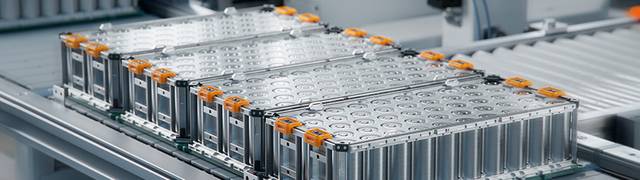
We recycle a wide range of batteries, from individual energy storage modules and vehicle batteries to container-based solutions for stationary energy storage. Our process can handle all battery formats, including cells, modules, battery packs, and complete battery systems. We also recycle batteries in all conditions—safe for transport, critical, or burnt out—with a state of charge ranging from 0 to 100%.


Our recycling process at Nickelhütte Aue

We manage the entire recycling process for your lithium-ion batteries - from the initial inquiry to the issuance of the recycling certificate. The process begins with a consultation and initial assessment to gather information about your material and prepare a customized offer for recycling and transport. We then handle all waste-management requirements, organize collection, and carry out professional recycling. After completion, we issue an official recycling certificate documenting the quantity, process, and date of recycling. This certificate ensures legal compliance and builds trust.

Hydrometallurgy as a unique selling point

Many recyclers stop after mechanical processing, leaving only black mass, which is often exported for further treatment. We take the next decisive step. Our hydrometallurgical process - an established technology that is continuously optimized by our research department - allows us to extract chemically pure nickel, cobalt, copper, and lithium salts through multiple leaching, purification, and crystallization stages. These high-purity chemicals are essential for producing new lithium-ion batteries and can be fed directly back into the production cycle.

Battery types recycled at Nickelhütte Aue

We recycle a wide range of lithium-ion and industrial batteries for commercial customers. Our capabilities cover batteries from diverse applications and with various cell chemistries:

  • Lithium-ion batteries: Including EV batteries, BEVs (battery electric vehicles), PHEVs (plug-in hybrid electric vehicles), and other e-mobility applications.
  • Battery types by cell chemistry: Nickel-manganese-cobalt (NMC), nickel-cobalt-aluminum (NCA), nickel-metal hydride (NiMH), lithium titanate (LTO), lithium iron phosphate (LFP), nickel-cadmium (NiCd), and other emerging technologies.
  • Applications of the batteries to be recycled: Our recycling solutions cover a wide range of applications, including:
    • Electric vehicle batteries for private and commercial use (commercial vehicles, buses, rail, and passenger cars)
    • Energy storage systems for residential and industrial applications

Experience

We rely on tradition, progess, and long-term business relationships dating back to 1635.

Closed-loop recycling

Highly efficient recycling processes that already meet future EU regulatory requirements.

One-stop solution

All services from a single source—short transport routes and efficient, local recycling.

Enhanced safety for critical battery conditions

Critical batteries are unpacked only immediately before processing. Our employees are specially trained and qualified to handle critical battery conditions safely and professionally.

Our customers’ trust and climate-friendly processes are at the heart of everything we do. We rely on sustainable recycling methods that not only recover high-value raw materials, but also actively contribute to reducing CO2 emissions. Our customers can rely on us to consistently meet their requirements regarding quality, safety, and sustainability.
Patrick Renner (Head of department)

We have annual recycling capacities of 8,000 to 10,000 tonnes and provide efficient solutions for large volumes.

No. We focus exclusively on commercial customers and offer tailored recycling solutions for businesses.

Yes. Our all-inclusive service includes comprehensive advice on waste management and transport regulations to ensure full legal compliance.

No. Our recycling process is environmentally friendly and sustainable. We use climate-friendly technologies and closed-loop recycling to recover valuable raw materials and keep them within the European circular economy. Our technology minimizes CO2 emissions and reduces the consumption of primary resources. All process steps comply with strict environmental protection standards.

No. We work exclusively with specialized transport partners experienced in the safe shipment of batteries and hazardous waste.

Your personal offer

Request a personalized quotation or schedule a consultation now - we will help you recycle your batteries safely and sustainably.

Contact Form